Author: Simonne Kimble
Nervous System Regulation: What It Is, Why It Matters, and How to Support Your Body
Waking up to check your phone as soon as you open your eyes? Oof. And then you wonder why you feel this way.
Being chronically overstimulated has begun to feel like a new normal. As ‘burnout’ culture takes over social media, it seems more adults and even youth are reporting higher symptoms of low motivation and high stress. While you may relate to the phrase ‘scroll until your eyes hurt,’ this isn’t normal. By living in a constant state of overstimulation, your nervous system is slowly frying and impacting your long-term health.
But don’t panic, there’s still hope. When you take the right steps in learning to tend to your nervous system, you can better understand how it works in order to support it and break out of the cycle.
Why do I feel constantly “on”?
We’re currently living in what’s called the “Digital Age.” Almost anything we want is available at our fingertips: things to do, places to go, people to talk to, etc. It’s not to engage in entertainment or look up information anymore.
When a notification goes off, we check it.
A phone rings, we watch the voice mail transcription.
When something demands our attention, it has it almost instantly.
Work, social commitments, and busy schedules keep our productivity high and free-time short. So many of us have are accustomed to feeling overstimulated so often, now sitting still feels uncomfortable.
What does a dysregulated nervous system look like?
According to recent studies by the Global Wellness Institute, “Chronic digital stimulation can heighten cognitive load and sympathetic nervous system activation.” Symptoms of a dysregulated nervous system can look like:
- Chronic fatigue
- Frequent headaches
- Digestive issues
- Sleep disturbances
- Feelings of depression or hopelessness
- Irritability or anger
- Memory problems
- Racing thoughts or overthinking tendencies
- “Brain fog”
As more studies are released about the effects of constant stimulation, the demand for a ‘break’ from screens and digital media is getting louder and louder. Staying constantly connected with high-performance expectations can take its toll on your overall health.
Let’s remember this: the original purpose of the nervous system was created to keep you safe, not constantly stressed or overwhelmed.
How does the nervous system work?
Your nervous system is divided into many parts working together to control a whole. The parts we’re mainly focusing on relating to overstimulation are the Sympathetic Nervous System (SNS) and the Parasympathetic Nervous System (PNS).
- Sympathetic Nervous System (SNS) acts as a gas pedal to prep your body for action, ie. your fight or flight response center.
- Parasympathetic Nervous System (PNS) helps manage your rest-and-digest functions, ie. easing breathing, slowing heart rate, stopping the rush of stress hormones.
In Dr. Faye Bate’s interview on the “Her Discussions” podcast with Ailey Jolie, MCP and Somatic Psychologist, about Nervous System Regulation, she explains the Stress Response Cycle and briefly explains how it relates to the Digital Age.
“Our body still thinks there’s a bigger threat. Your body and brain have adapted to the digital times and end up mobilizing your stress response cycle. Things naturally tend to stack up and can lead to patterns of tension, bracing, disconnection from the body…etc.”
That being said, understanding how and why your body is reacting this way is a key to making the right moves to support it in getting out of this cycle.
How can I regulate my nervous system?
Honesty. A great way to begin is to search inward. Reflecting in a journal or talking with a trusted friend, the key to regulating your nervous system is to first identify the current stressors in your life:
- What is making me stressed?
- What’s causing this overstimulation?
- How high was my screentime this week?
Your next step would be to think about how to create realistic opportunities for positive change. Not everyone can simply eliminate their stressors. As trendy as the phrase “just quit” has gained popularity on social media, not all lifestyles can support a sudden elimination.
Look at what you can change or swap out in your day-to-day to help eliminate overstimulation. Think about how your current routine could adapt to change over time, and how being more intentional about this lifestyle shift can introduce new ways of recovery. Perhaps it can look like some of these examples:
- Spending time outdoors
- Limiting screentime
- Intentional deep breathing exercises
- Prioritizing sleep
- Practicing mindfulness
- Setting social boundaries
- Embracing quiet
As your routine begins to shift, your nervous system can begin to settle. So make a point to incorporate small changes so your mind and body can begin to recover. Afterall, relaxation-focused activities and self-care is our favorite way to be intentional about wellness.
The Takeaway
Burnout shouldn’t be as normalized as it is, and yet, more Americans report symptoms of burnout every day. Understanding where your overstimulation is coming from in this digital age we live in can help you figure out where the journey to healing your nervous system can begin. To support your nervous system regulation doesn’t always have to mean cutting out things in life that keep you stressed. To us, that would be a pretty unrealistic approach.
Instead, consider new approaches to self-care and creating opportunities for recovery. Only then will you be able to tend to your nervous system in the way that supports your longevity and overall health.
About MassageLuXe
Founded in 2008 in St. Louis, Missouri, MassageLuXe is a fast-growing franchise-based spa company with a mission to provide an unparalleled experience that supports and encourages health, well-being, and quality of life. MassageLuXe delivers the highest quality massage, facial, and waxing services in a comfortable, relaxing, and luxurious environment.
Massage is a service that improves health, promotes relaxation and overall well-being for the consumer, and has been practiced throughout the world for thousands of years. MassageLuXe currently has over 100 locations across 22 states and is planning to double in size in the next three years.
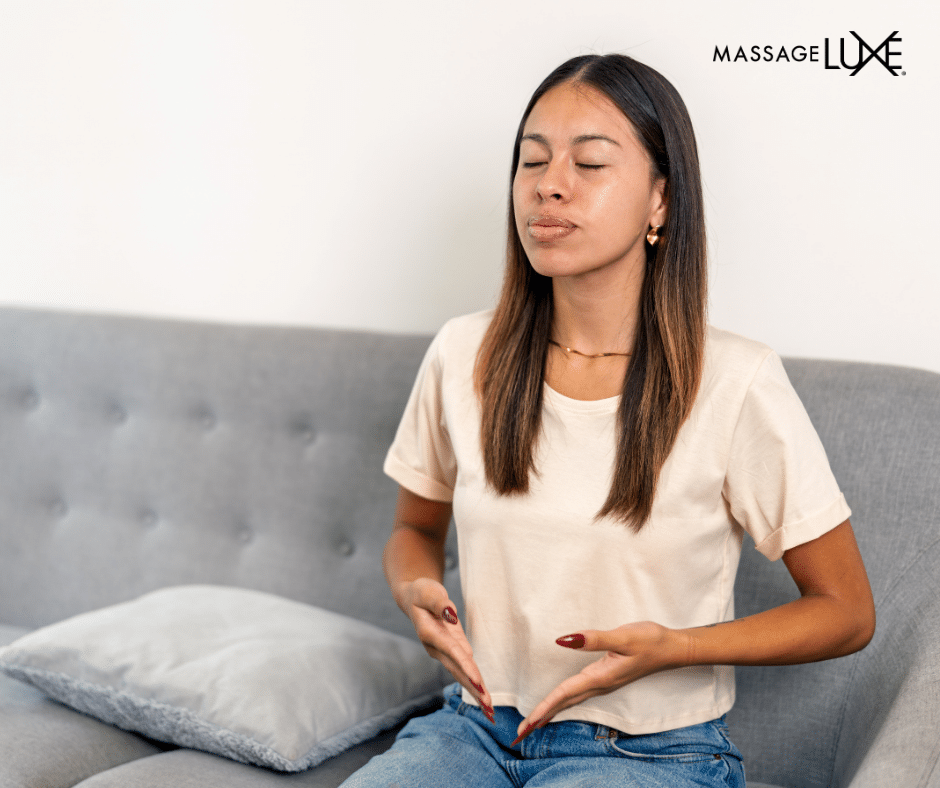
Taking intentional moments to slow down can help support your body’s natural stress response and promote relaxation
Other articles you may like:

Massage Etiquette: Things They Don’t Tell You
Going in for a spa service can ironically feel nerve-wracking when it’s your first time. It’s common for clients who haven’t received a service before to feel uncertain, often relating to questions like, “What should I do before my appointment? Should I talk? What if that pressure is too much?”
Your spa experience is supposed to help you relax, not make you worry about if you’re doing everything ‘right.’ We’re sharing some tips on how massage etiquette isn’t about being perfect, but rather creating a comfortable experience for everyone involved.
Your Massage is Personal
“What brought you in today?” It’s the simplest question your massage therapist can ask, and yet many are stumped with how to answer.
Being honest about what you want during your service is important from-the-get-go.
According to the ISA’s (International Spa Association) study in 2025 on What Drives Spa Visits, “85% of spa-goers view spa visits as self-care. Nearly two-thirds name ‘stress reduction’ as key motivators for visiting a spa.”
Your massage therapist’s main goal is to help you relax. Transparency about your goals is all they are looking for. Clear communication allows your experience to be more personalized, so you reach a complete state of physical calm and mental peace.
What Your Massage Therapist Wants You To Know
There’s a few things, so let’s break this up into a few different talk-points.
They Are Paying Closer Attention Than You Think: Your evaluation starts as soon as you walk in the room, or even minutes before. From the way you carry yourself to the tone of voice, LMT’s can tell a lot about you from reading your intake form, and even before asking the reason for your spa visit.
Please, Speak Up: While they can tell a lot from your body language, they cannot read your mind. Be honest about your expectations and wants before and during your service. If the table is too warm, if you need an extra blanket, or even if their pressure is too firm—your massage therapist responds to this feedback to better personalize your experience.
A Little Prep Goes a Long Way: Make time before for a quick clean-up. While your massage therapist understands not everyone is able to bathe before coming in, taking time to remove sweat, dirt, and dead skin helps make the experience more comfortable and hygienic for both parties.
Keep The Relationship Professional: There is a lot of vulnerability in spa services, both for your service provider and yourself. While pouring out about your day when they ask ‘how are you?’ may occur naturally, their main job is to help your muscles and mind relax. Maintain a warm but professional boundary to help create a safe and comfortable environment for everyone involved.
Respect Goes Both Ways: It’s important to understand every massage therapist has a unique approach and style. Avoid direct comparisons during your service to other massage therapists you’ve seen before. If you have service provider preferences, it’s best to communicate them with the front desk staff upon exiting your service.
Remember: Be an Active Participant
The best massage experiences aren’t the ones with barely any commentary. When visiting a MassageLuXe spa for the first time, your goal should be two things: honesty & communication.
Your massage therapist will handle the relaxation part during your service. By communicating clear expectations and information about your body, your massage experience can be more personalized to your goals. So don’t be afraid coming in for your first service, rather be prepared.
Massage Etiquette Tips to Remember
It’s not about being the perfect client but rather giving yourself permission to prioritize your own comfort. Prepping before your service and keeping these things in mind are the perfect way to get ready for a relaxing experience. And if you’re still nervous—check out these other tips on Massage Etiquette: Know Before You Go.
About MassageLuXe
Founded in 2008 in St. Louis, Missouri, MassageLuXe is a fast-growing franchise-based spa company with a mission to provide an unparalleled experience that supports and encourages health, well-being, and quality of life. MassageLuXe delivers the highest quality massage, facial, and waxing services in a comfortable, relaxing, and luxurious environment.
Massage is a service that improves health, promotes relaxation and overall well-being for the consumer, and has been practiced throughout the world for thousands of years. MassageLuXe currently has over 100 locations across 22 states and is planning to double in size in the next three years.
Other articles you may like: